

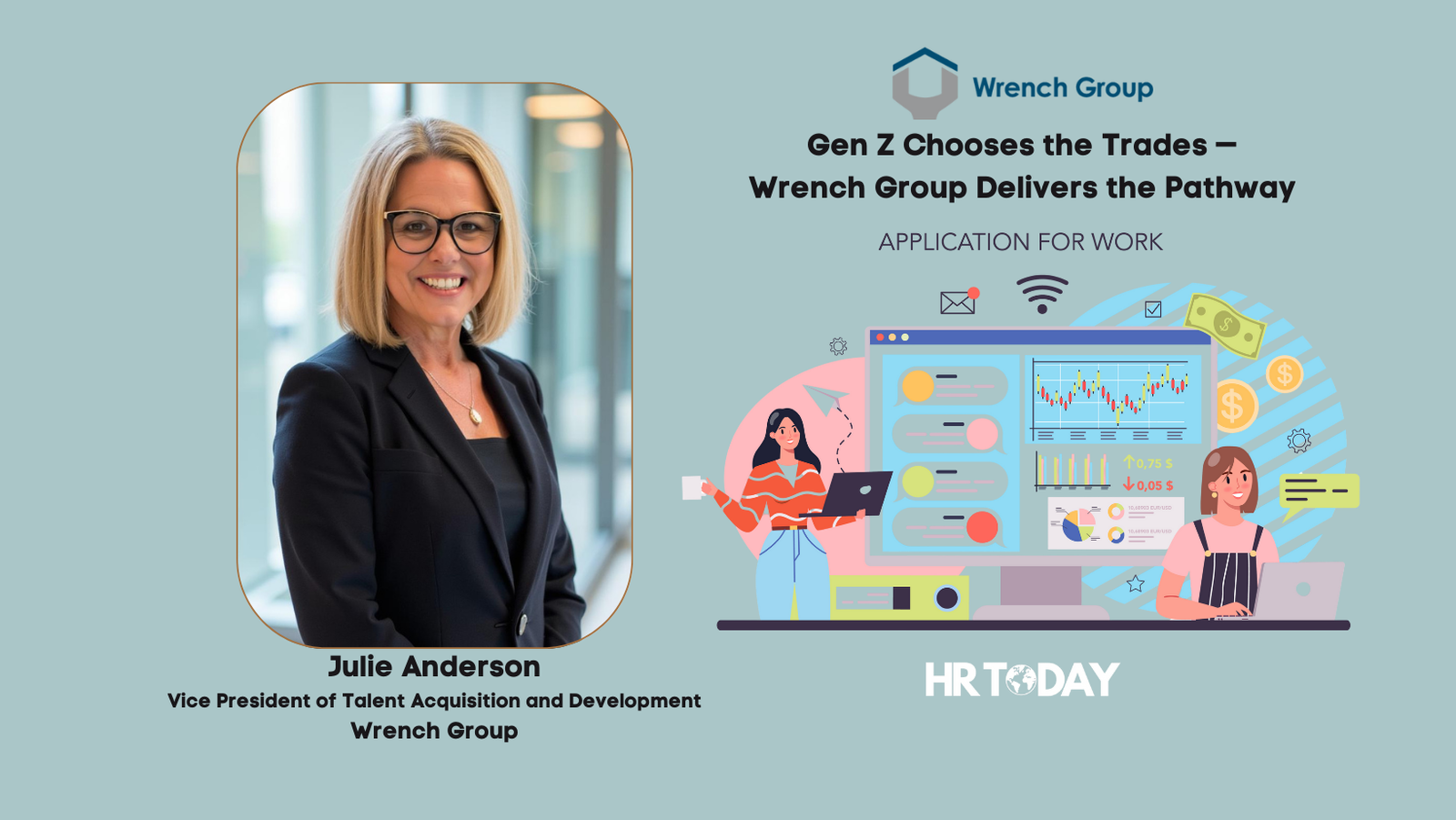
Gen Z is redefining the traditional “American Dream” and increasingly opting out of the traditional college-to-corporate track in favor of skilled trades. According to CNBC, there are now 2 million fewer students enrolled in four-year universities than in 2011.
Even college graduates are turning toward the trades. A recent Resume Builder survey found that 42% of Gen Zers are currently working in or pursuing a blue-collar or skilled trade career, including 37% who already hold a bachelor’s degree.
This shift serves as an opportunity to strengthen and professionalize a fragmented industry. Gen Z already makes up nearly 25% of all new hires in skilled trades, and companies, like Wrench Group, are proud to be setting the stage for their long-term success.
Companies can ensure that quality talent can be identified by following a consistent, scalable approach to employee acquisition. Through academy-style training programs, like the ones led by Morris-Jenkins, Service Champions, and Coolray, as well as leadership development curricula, this proves that workforce development isn’t just a benefit, it’s a core business strategy.
Recruiters Build More Than Roles: Creating Talent Pipelines for the Future
The top responsibility of a recruiter isn’t just filling today’s job openings, it’s building a pipeline for tomorrow and beyond. At the core of great recruiting is something simple: talking to people. Every prescreening conversation is the starting point for a relationship, whether with technicians in the field or support staff behind the scenes. By proactively sourcing and nurturing talent, recruiters make the hiring process faster, smoother, and less dependent on job postings.
Ongoing learning fosters a culture of continuous improvement. It keeps our teams current on certifications, safety practices, and emerging technologies, while also giving employees a sense of value, purpose, and long-term opportunity.
In an industry facing persistent labor shortages and high turnover rates, this commitment is more than just good practice, it’s a strategic advantage. McKinsey estimates turnover in the skilled trades costs U.S. companies more than $5.3 billion annually, while Gallup reports replacing a technical worker can cost up to 80% of their salary. By developing talent in-house, companies can reduce these costs while strengthening retention, performance, and long-term loyalty.
Why Gen Z Is Driving the Rise of Employer-Led Training Programs
The rise of in-house training programs reflects a broader shift in the skilled trades. With Gen Z increasingly seeking stable, hands-on careers outside of the traditional college track, structured training has become a critical way to attract and prepare new talent. These programs create reliable pipelines, ensuring that new technicians enter the field with both practical skills and an understanding of industry standards from the start.
Instead of reacting to turnover, employers are beginning to invest in developing the next wave of talent, often bringing in groups of trainees who can contribute more quickly and confidently. This approach not only helps address the ongoing labor shortage but also aligns with the expectations of younger generations who value mentorship, growth opportunities, and clear career paths.
Why the Next Generation Sees the Trades as a Pathway to Leadership
For many younger workers, particularly Gen Z, the appeal of the trades goes beyond steady employment. They’re looking for career pathways that offer advancement, support, and a sense of purpose. Training academies and leadership development programs are responding to this by emphasizing mentorship, certification support, and even life skills that help individuals thrive both on and off the job.
These initiatives are creating environments where entry-level recruits can grow into team leads, supervisors, and eventually business leaders. In doing so, they are helping to redefine the trades as a career of choice for the next generation, one built on growth, opportunity, and long-term sustainability.
Read Also : When HR “Produces Nothing”: A Response to Jennifer Sey’s Anti-HR Vision
The Fine Balance: Navigating Work, Life, and Mental Wellbeing
Mind the Leadership Gap – From Learning to Real-World Impact
How the Adecco Group is empowering its employees for the future of work
Click Here to Join HR TODAY WhatsApp Channel