

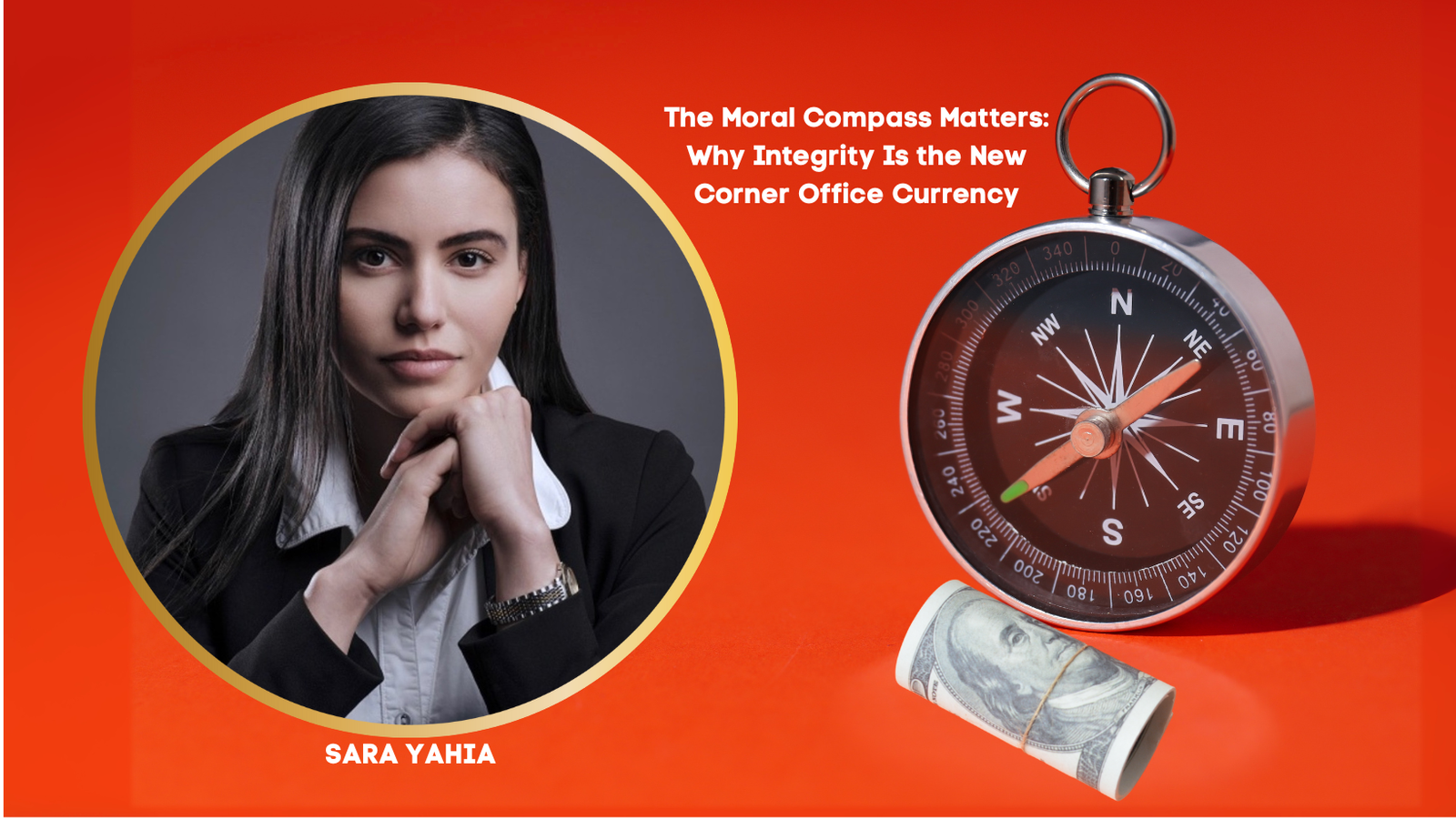
In an age where digital footprints are permanent and reputations are volatile, a person’s values increasingly matter more than their résumé. The ability to navigate ethically, make sound judgments, and embody principles of integrity is no longer a soft skill; it’s a business imperative. As recent events have shown, when values fail, consequences ripple far beyond the individuals involved.
Let’s take a look at why today’s employers are prioritizing moral integrity over academic prestige and what lessons we must draw from this cultural and corporate shift.
When HR Breaks Its Own Rules: The Coldplay Concert Scandal
A recent video that went viral showed a well-known CEO and his HR Chief engaging in highly inappropriate behavior during a Coldplay concert. What began as an off-duty outing quickly devolved into a public scandal. From visibly crossing personal-professional boundaries to actions that violated their internal policies, the incident shattered employee trust and exposed glaring hypocrisy at the leadership level.
Why does this matter?
Because these weren’t junior staff; they were the custodians of company values. When those tasked with enforcing codes of conduct violate them, it undermines the culture they’ve sworn to protect. Within days, staff morale dropped, social media erupted, and shareholders demanded accountability. Some clients even froze contracts, citing a breach of professional ethics.
This was not an isolated embarrassment; it became a corporate crisis.
The Mehdi Hasan Debate: When the Future Looks Alarming
Equally disturbing was the televised panel called “Surrounded,” presenting the political commentor, Mehdi Hasan, facing 20 young self-identified “far-right” conservatives. Instead of exhibiting thoughtfulness or maturity, many displayed openly extremist, racist, or divisive views. These weren’t anonymous trolls; these were potential public leaders.
For hiring managers, the message is clear: a diploma isn’t a filter for character.
Employing individuals who espouse hate, even outside the workplace, can damage a company’s reputation just as severely as any internal misconduct. In a hyper-connected era, who someone is when they think no one is watching still reflects on your brand.
A 2024 McKinsey report found that 75% of consumers now say they are more loyal to brands whose employees and leaders reflect their values and are just as quick to abandon those who don’t.
Reputation Fallout Has Financial Consequences
This isn’t just about ethics; it’s about economics. Reputation damage translates directly to market loss:
- A Harvard Business Review analysis revealed that companies with perceived ethical leadership experience up to a 50% higher long-term valuation.
- According to Volkswagen emissions scandal data, companies facing executive misconduct can suffer immediate stock declines of 20 to 40% in the days following revelations, depending on severity.
- Edelman’s Trust Barometer 2024 reported that 71% of global respondents consider employee conduct outside of work when determining whether to trust a brand.
The business risk is no longer just internal misalignment; it’s global visibility. One executive misstep can trigger consumer boycotts, stakeholder divestments, and long-term damage to an employer’s brand.
The HR Dilemma: Leadership Without Integrity Is a Liability
HR professionals are meant to model integrity, not just regulate it. When HR leaders engage in unethical behavior, whether on company time or their own, they erode the very standards they are supposed to enforce.
The Coldplay incident proved one thing: when HR lacks accountability, the whole organization loses direction. Employees question the legitimacy of internal investigations, disregard company values, and disengage from the culture.
According to Glassdoor‐referenced reporting by Business Insider, 55% of middle managers said they would consider leaving a company if they lost trust in its HR leadership. This shows the direct connection between personal integrity at the top and employee retention on the ground.
Advice for Employers and HR Leaders
Here are some concrete steps companies can take to prevent such scenarios and build a culture grounded in integrity:
- Don’t just assess qualifications. Ask questions that reveal who they are. Try: “Tell me about a time you stood up for something unpopular at work.” “Have you ever faced an ethical dilemma? How did you handle it?” These answers give insight into their character, not just their competence.
- Expand background checks to include values screening. Use legal and ethical social media audits and soft-skill assessments to gauge public behavior, communication tone, and cultural alignment.
- Hold leadership to higher standards publicly. Create clear conduct policies that apply equally to executives, and ensure violations are met with transparent consequences. Leaders must embody the culture, not be exempt from it.
- Invest in integrity-focused training. Culture starts at the top. Leaders shouldn’t be above the rules; they should set the example. Go beyond basic compliance training. Offer real, reflective workshops on things like unconscious bias, ethical decision-making, accountability, and how to lead in difficult moments. When leaders live by their values, others follow. When they don’t, no policy will matter.
- Define clear off-duty conduct guidelines. What employees and leaders do off the clock still matters, especially if they’re seen as public representatives of your brand. Include clauses in leadership contracts about public behavior and reputational risk.
Beyond the Office: Who You Are Matters Everywhere
Gone are the days when someone could say, “What I do in my personal life is my business.” For company leaders, HR directors, and even interns, personal values affect professional outcomes.
Whether it’s a CEO acting recklessly at a public event or a candidate espousing extremist views online, the result is the same: your company becomes guilty by association. Reputation is no longer a wall; it’s a window.
And that window is wide open.
A polished résumé might open a door, but it’s a person’s values that decide whether they belong in the room. In a world where trust is fragile and reputations are built (or broken) in seconds, character is everything. Skills can be taught, but not integrity.
Hire the Person, Not Just the Paper. When you’re making hiring decisions, look past the credentials. Find the people who show up with honesty, empathy, and the courage to do what’s right, even when it’s not easy.
“Try not to become a man of success, but rather try to become a man of value.”
Albert Einstein
Read Also : When HR “Produces Nothing”: A Response to Jennifer Sey’s Anti-HR Vision
The Fine Balance: Navigating Work, Life, and Mental Wellbeing
Mind the Leadership Gap – From Learning to Real-World Impact
How the Adecco Group is empowering its employees for the future of work