

Four governments across Asia did in one week what HR teams have been trying since the end of the pandemic.
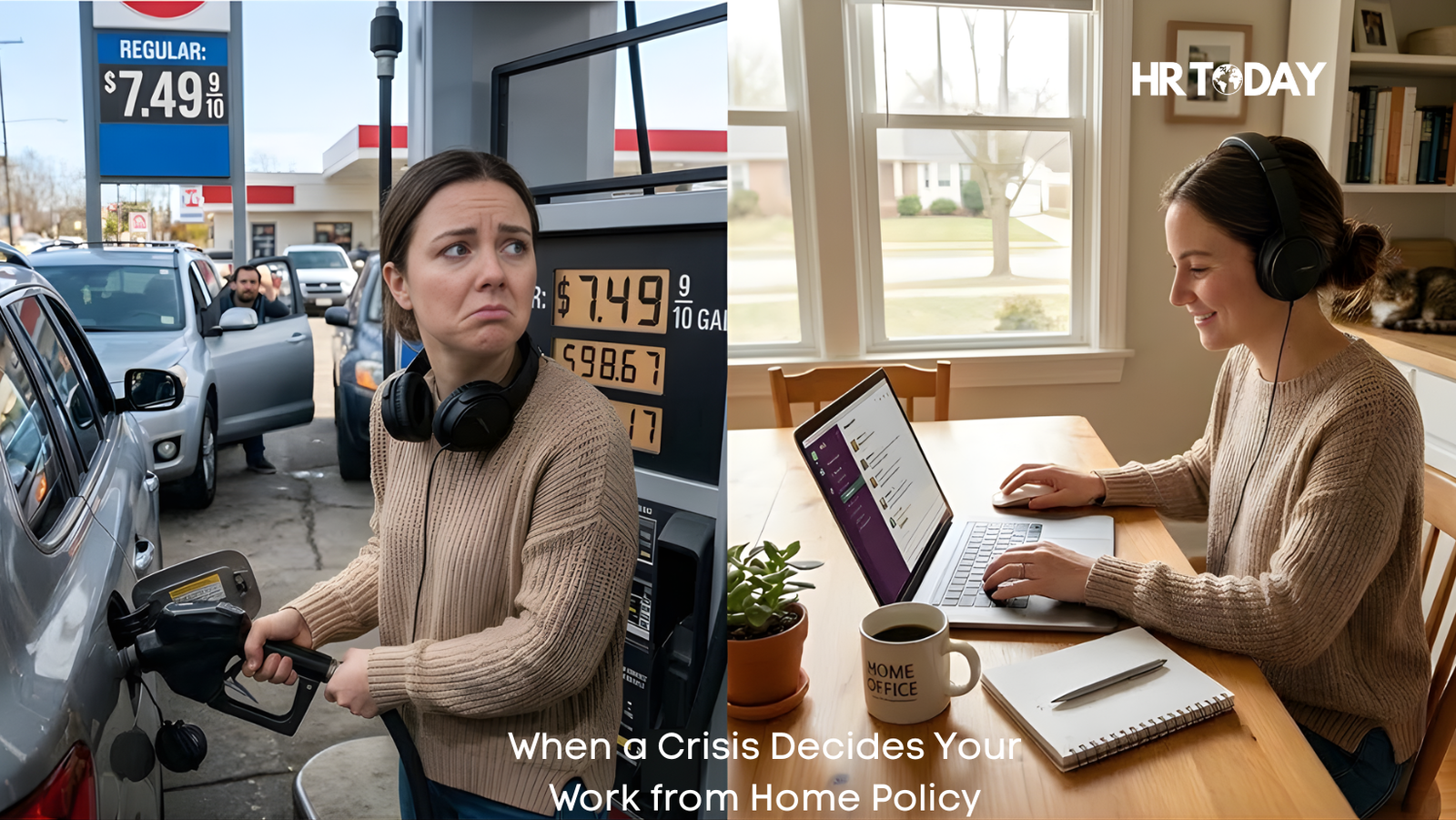
Triggered by the closure of the Strait of Hormuz and Iranian hits of oil and gas plants, the governments of Vietnam, the Philippines, Pakistan, and Thailand all issued directives in early March promoting flexible work in the public sector.
Nobody conducted an engagement survey. The choice was made by economic necessity as Asia buys 60% of its oil from the Middle East and the halt of shipments stresses the fuel reserves.
Vietnam is reported to have fewer than 20 days of reserves and Pakistan just one month. This imposed work from home rule surfaces the HR debate between companies who demand full return to office and employees who want greater flexibility.
If a geopolitical shock can rewrite the work model within days, should companies reassess their full return to work and find a long-term balance?
This is a recurring pattern. When Russia invaded Ukraine in 2022, Germany’s economy and climate minister Robert Habeck said, “every kilometer not driven helps.” Is this an opportune time for HR leaders to lead a strategic move to adapt the full work from office policy to be crisis-ready by adopting a hybrid model that will increase the Employee Value Proposition, rather than an HR waiting to be overridden by the next external shock.
Some Asian Companies Are Ready
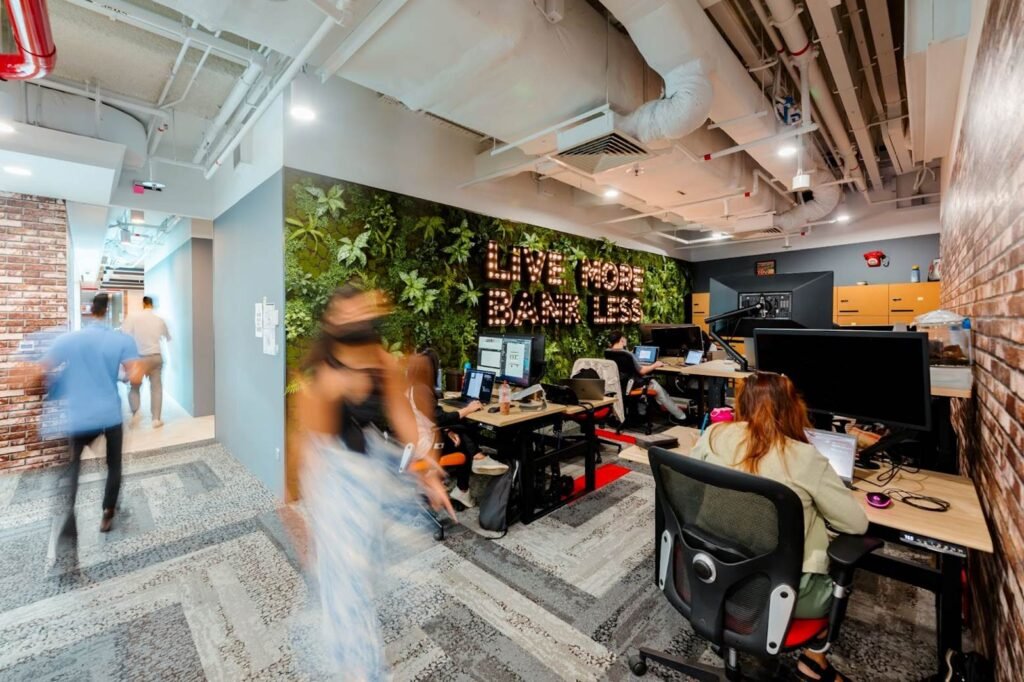
- DBS Bank gave all its 41,000 employees globally the permanent right to work remotely up to 40% of the time. Offices were rebuilt into JoySpaces, activity-based environments designed with employee input.
- Fujitsu Japan moved their 80,000 employees to primarily remote work, cut its office footprint by half, and rebuilt what remained as functional hubs. Recognizing that the informal exposure that builds careers has to be designed for, Fujitsu introduced structured in-person touchpoints for senior-junior interaction.
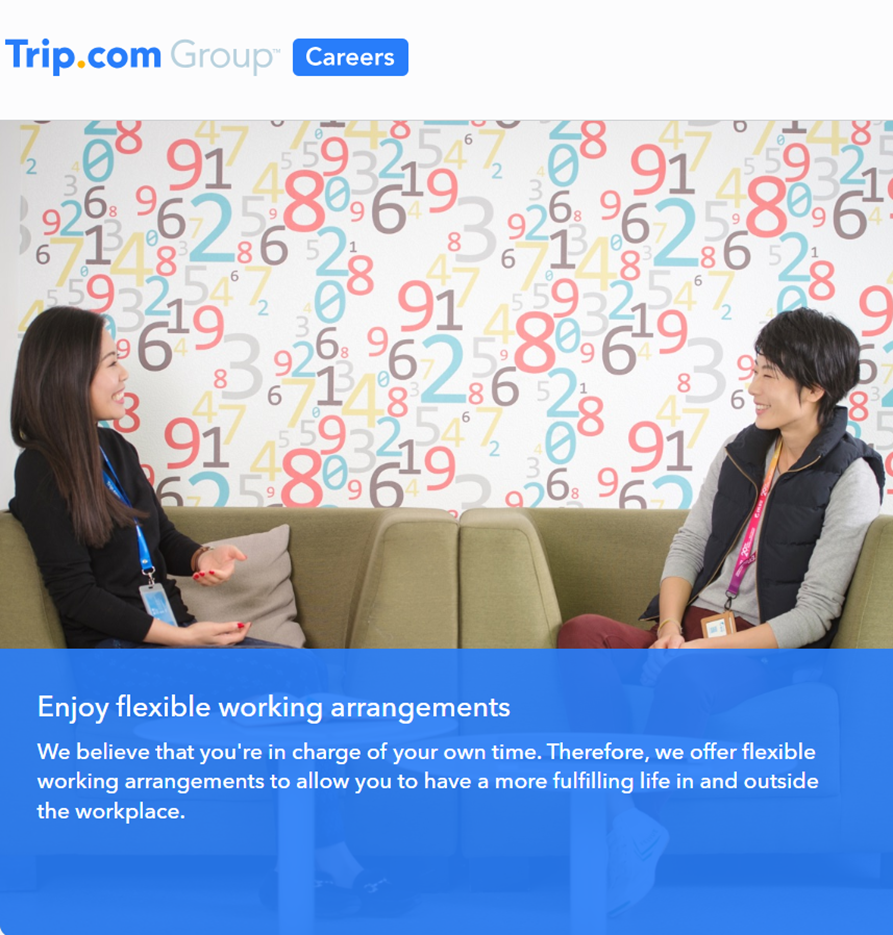
- Trip.com, China’s largest online travel platform, has a “3+2” hybrid model since 2022, giving employees the choice to work from home every Wednesday and Friday. The policy was designed as a result of a six-month randomized controlled trial with over 1,600 employees, which found hybrid workers were as productive as office-based peers, equally likely to be promoted, and resignations fell by 33%.
The Personal Development Dilemma
One of the big concerns of flexible work is that junior employees miss out on development. Here is how these three companies solved it in their unique way.
- DBS built career development into the infrastructure of its hybrid model from day one. The bank launched structured learning roadmaps tied to specific skills, created an AI-powered internal platform called iGrow that recommends personalised development paths based on each employee’s profile, and committed to upskilling more than 8,000 employees in data, digital, and leadership skills.
- Fujitsu redesigned its remaining offices specifically to serve the functions that remote work cannot. Training programmes including new employee onboarding, were moved onto the office floor. Hubs were rebuilt as places where diverse employees gather, learn, and interact, with the explicit goal of creating conditions for cross-generational exposure.
- Jennifer Cao and her team at Trip.com structured in-office days (Monday, Tuesday, Thursday) around collaboration, mentoring, learning, and team interaction, and protected remote days (Wednesday, Friday) for focused individual work. A January 2026 global hybrid work analysis cited Trip.com’s randomised trial as the strongest available evidence that hybrid workers show no difference across nine performance review categories including leadership, development, and innovation, with equal promotion rates.
The Strait of Hormuz will eventually reopen and hopefully peace will come. But what we have learned from the pandemic is that the next crisis will not announce itself. HR leaders who treat this moment as a strategic inflection point, rather than an operational disruption to manage, will build something that outlasts the emergency: a workforce model that retains talent, develops people, and keeps running when the world outside stops.
Read Also : The Great Rewiring: What India’s new labour codes really mean for employers
India’s Airline Crisis: When Efficiency Overrides Resilience
Rethinking Talent in the Age of AI: Why Workforce Agility Starts with the 4Bs