

Traditionally, India Inc’s annual appraisal cycle has followed a predictable rhythm salary adjustments, promotions, and increased job movement across industries, however, this year’s appraisal season illustrates a distinct departure from past methodologies of determining how to pay, retain & attract talent.
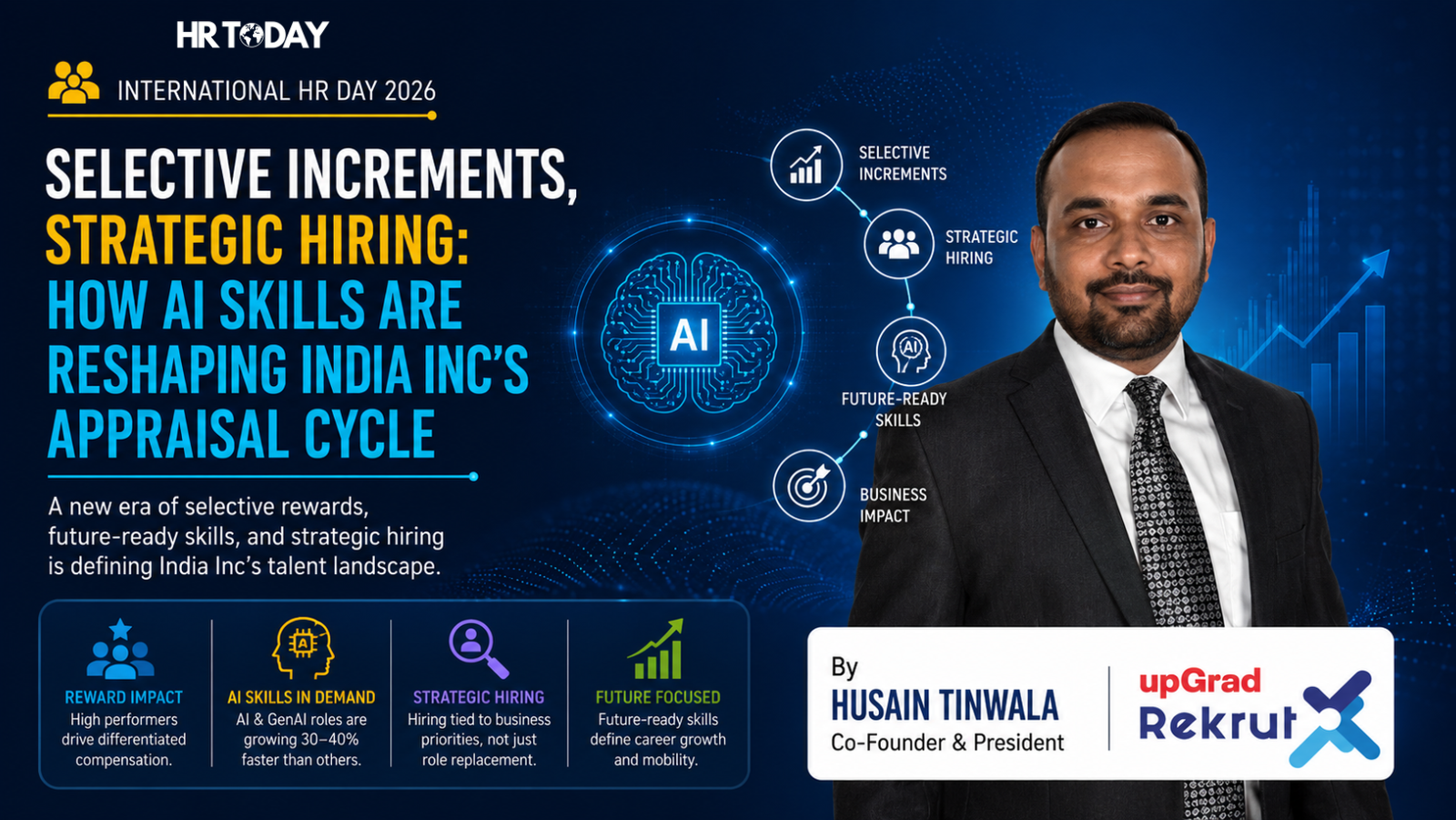
Amid evolving business priorities and rapid technological disruption, organisations are moving away from broad-based annual salary hikes toward more targeted compensation decisions. While the general industry consensus is that average increases will range between 7 and 10 percent, the manner in which the increases will be distributed will become much more selective.
Instead of awarding the same percentage increase across the board, companies will increasingly reward high-performing employees and/or those in critical roles with significantly higher increases than will be received by others. For example, some high-performing employees will likely receive increases greater than 10 percent while many employees will receive much smaller increase (or no increase at all).
This change reflects a more fundamental change in how companies evaluate talent; currently, decisions regarding compensation are based on the impact that an employee has on their organization, specialized skill sets, and how well they contribute to the achievement of an organization’s strategic priorities rather than simply doling out a significant amount of uniform annual increases each year.
At the same time, organisations are re-evaluating how they structure their total remuneration. A number of organisations are now using a broad-based total reward approach, and moving beyond fixed salary increments and adopting holistic compensation frameworks.
Furthermore, many organisations are recalibrating their variable pay programme and adding retention bonuses for niche skill areas, increasing their allocations of employee stock option plans (ESOPs) for senior leaders, as well as re-evaluating their internal pay bands and job responsibilities for key employees. These approaches provide organisations with the ability to remain financially responsible while also acknowledging the value of their top employees and providing continued employment for critical employee skill sets.
In addition to the traditional appraisal cycle, the appraisal process also causes an increase in employee turnover as employees assess their options following the completion of their annual review. This trend continues to hold true, and the March through April timeframe is generally regarded as the time when employee turnover rates increase and employees are looking to change jobs across all industries.
However, in light of this churn, many organisations have become more selective in how they respond to employee attrition. Rather than automatically backfilling roles left vacant by departing employees, organisations are now evaluating whether the role is still relevant to the company’s changing business priorities. More frequently, hiring decisions are also tied to functions that contribute to revenue generation, regulatory compliance or technology transformation.
Companies’ increased strategic approach to recruitment has resulted in longer timelines for hiring across many industry sectors despite continued high levels of demand for some skill sets. The most significant impact of this change has been the accelerated demand for skilled workers in artificial intelligence and generative artificial intelligence. The growth rate for jobs in these areas is more than double that of most traditional job functions; hiring rates are estimated to be 30 to 40% higher than in traditional technology functions.
The demand for AI workers is not limited to technology firms; other vertical markets where companies invest in AI transformation include Banking, Financial Services and Insurance (e.g., BFSI), Global Capability Centres (e.g., GCCs), Healthcare and Consumer Products. Workers who possess AI skills are being paid 20 to 40% more than other workers with traditional skills.
Outside of AI roles, there continues to be steady hiring momentum in multiple sectors including GCCs, BFSI, Renewable Energy and Healthcare as companies continue to realise the necessity of digital transformation to meet new, tougher regulations and create a sustainable future energy ecosystem in India.
Overall, these trends signify that the Indian talent market is commencing a trend toward more selective recruiting and differentiated recruiting based on skills. Although the total volume of open roles will likely expand slowly, the competition for those professionals who possess specialized skills aligned with future business needs – especially in the areas of artificial intelligence (AI) and other advanced technologies – is going to become more intense.
As professionals seek to navigate this changing landscape, the message is clear: future-ready skills and demonstrable business impact will increasingly define both compensation growth and career mobility in India Inc.
Read Also : When Technology, Business, and HR Converge: Why Embedding Ethical AI at Scale Matters
Burnout Isn’t a Time Management Problem—It’s a Leadership Problem
Learning, Education and Pedagogy in the age of AI : Developing Human Capital for the coming Decades
Rethinking Talent in the Age of AI: Why Workforce Agility Starts with the 4Bs
The Rise of the Chief Human Agency Officer: Why Every AI Organization Will Soon Need One